Agents should follow their state regulator's and their institute's current guidance, read on the day.
What virtual staging is
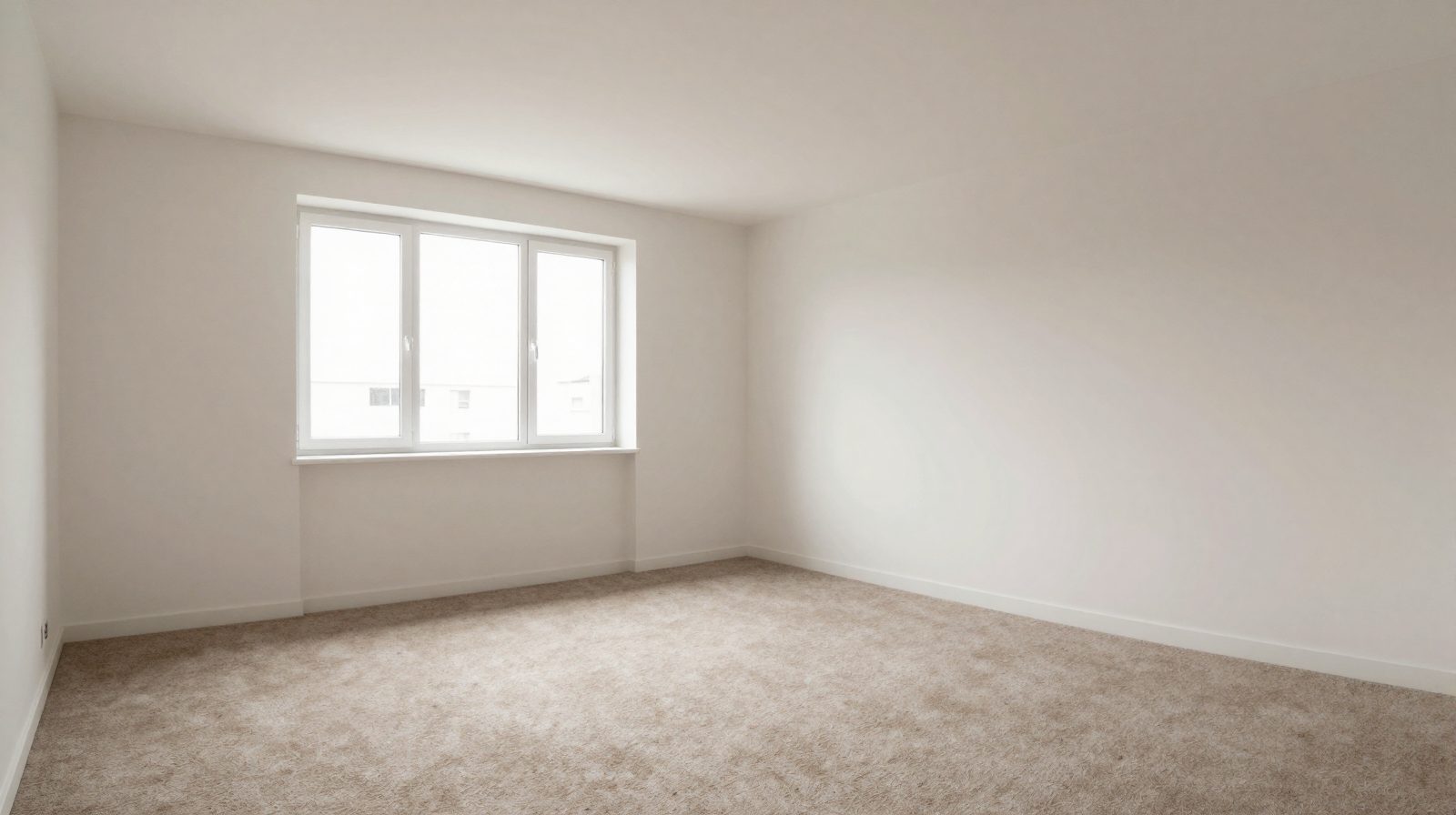
Virtual staging adds furniture and decor to a photo of an empty or tired room, using editing software or, increasingly, AI tools. It is cheaper and faster than hiring furniture, and it helps buyers picture how a room could be used.
Where the line sits
Under the Australian Consumer Law, a business must not engage in misleading or deceptive conduct, which the ACCC says covers advertising images as well as words. For listing photos the practical test is whether the picture gives a false impression of the property itself.
Usually acceptable (and best labelled): adding furniture to an empty room, brightening an evenly lit photo, a blue sky in place of a grey one.
Likely misleading: hiding damage, mould or cracks; removing power lines, a water tower, a neighbouring building or anything else the buyer will see; making a room look bigger than it is (a double bed in a room that only fits a single); changing the view.
NSW: disclosure rules for rental ads
NSW is introducing a requirement for landlords and agents to disclose when rental advertisement photos have been digitally altered or AI-generated in ways that hide faults or misrepresent the property, as part of the Residential Tenancies Amendment (Protection of Personal Information) Bill 2025. Trade press reported penalties of up to $22,000 for businesses and that the changes were expected to take effect in early 2027. Check NSW Fair Trading for the commencement date and exact wording.
Good practice for any listing
- Label staged images clearly ("Virtually staged" on the image itself).
- Include an unstaged photo of the same room.
- Never alter the property: only add movable furniture and decor.
- Keep the original files.
What it costs
Virtual staging is usually priced per image by editing services and photographers; AI tools charge per image or by subscription. It is usually far cheaper than physical staging for a whole home.
Physical staging or virtual staging?
| Physical staging | Virtual staging | |
|---|---|---|
| What it is | Hired furniture placed in the home | Furniture added to photos |
| Cost | Usually much higher, often by the week | Usually per image, far lower |
| Inspections | Buyers see the furnished home in person | Buyers walk into an empty home |
| Photos | Real, so no labelling issue | Must not mislead; label as staged |
| Time | Needs delivery and removal | Fast turnaround |
| Suits | Prestige homes, homes with many inspections | Empty homes, tight budgets, rentals |
Many agents combine the two: physical staging for the main living areas buyers inspect, and virtual staging for secondary rooms in the photos.
Doing virtual staging well
- Start with a good photo. Staging cannot fix poor light, crooked verticals or a messy room. Our real estate photography tips cover the shot.
- Match the style to the buyer. A modern apartment and a family home need different furniture.
- Scale the furniture honestly. A queen bed in a room that only fits a double misleads buyers, as the section above says.
- Keep the room's features visible: windows, power points, built-ins and flooring as they are.
- Label each staged image on the image itself, and include the unstaged photo of the same room.
- Check the result on a phone, where most buyers will see it.
AI staging tools: what to watch
AI tools can stage a room in seconds, but they make mistakes that a human stager would not: furniture that floats or clips through walls, rugs that change the floor, windows that move, or "improvements" to the room itself, such as new cabinetry or a different view. Every AI-staged image needs checking against the original photo before it is published. If the tool has changed anything about the property, discard the image.
Decluttering and renovation edits
Removing an occupant's furniture and clutter from a photo, sometimes called virtual decluttering, is riskier than adding furniture, because it can hide marks, damage or the true condition of floors and walls. "Virtual renovation", showing a new kitchen or a knocked-out wall, should only ever be presented clearly as an artist's impression of what could be done, never as the property for sale. The safest approach is to keep listing photos showing the home as it is, and to put renovation concepts in a separately labelled image.
Staging in 360 and 3D tours
Some tour platforms offer virtual staging or "defurnishing" inside 3D tours. The same rules apply as for photos, with an added risk: buyers move around a tour freely and may not realise what is real. If you use staging in a tour, label it clearly in the tour itself and offer an unstaged version. Our virtual tours guide covers tours more broadly.
Rentals
For rental listings, the NSW changes described above make accuracy and disclosure even more important. Tenants decide quickly and often apply before inspecting in tight markets, so an image that oversells a property creates disputes at the start of a tenancy. Showing the actual furniture, or an empty room as it is, is usually the better choice for rentals.
A checklist before publishing staged images
- The image shows only movable furniture and decor added.
- Nothing about the structure, fixtures, finishes, view or surroundings has changed.
- Furniture is to scale.
- The image is labelled as virtually staged.
- An unstaged photo of the same room is included.
- The original files are kept.
Choosing which rooms to stage
Stage the rooms buyers find hardest to imagine when empty. The living area is usually first, because it is the room most buyers look at first. The main bedroom comes next, since an empty bedroom can look small without a bed to show scale. Outdoor living areas can benefit from simple furniture to show how the space can be used. Leave bathrooms, laundries and hallways unstaged; they rarely need furniture and staging them can look odd.
Matching the style to the buyer
Staged furniture should suit the buyers likely to be interested in the home. A first-home apartment calls for simple, modern furniture; a family home calls for furniture that shows how a family would use the space. Over-styled staging with expensive or unusual furniture can look unreal and distract from the home itself. Ask the staging service for a style that matches the price range and the likely buyers.
Labelling staged images
Label staged images clearly, either on the image itself or in the caption, with words such as "virtually staged". Show the empty room as well, so buyers can see the real space. A consistent labelling rule for the agency makes it easier for every agent to get this right. The NSW rules on edited rental ads, covered above, show the kind of disclosure regulators expect.
Turnaround and revisions
Staging services usually return images within a few days, and AI tools within minutes. Allow time for at least one round of changes, such as swapping a sofa that is too large for the room or changing a style that does not suit the home. Order staging at the same time as the photography so the staged images are ready when the listing goes live. Check every staged image at full size before publishing; AI tools in particular can produce furniture that floats, overlaps walls or has the wrong scale.
Staging for different property types
Apartments. Simple, compact furniture that shows how a small space can work, with attention to the living area and balcony.
Family homes. A family-friendly living area, a dining table and a furnished main bedroom.
Prestige homes. Physical staging is usually better, because buyers inspect closely and expect the home to look as it does online.
Rentals. Rarely staged, and where it is, the NSW disclosure rules for rental ads apply.
Telling buyers at the open home
If a home has been virtually staged, buyers who visit will see empty rooms. Tell them at the open home that the photos are staged, and have the unstaged photos and floor plan available. That avoids disappointment and helps buyers focus on the space itself, which is what staging is meant to help them picture.
Keeping the originals
Keep the unedited original of every staged image with the listing records. If a buyer, a tenant or a regulator asks what the room really looked like, the original answers the question. It also means you can restage the room in a different style later without paying for new photos.
Common staging mistakes
- Furniture that is too large or too small for the room.
- Staging that hides features buyers need to see, such as a heater or a crack.
- Mixing styles between rooms in the same listing.
- Leaving out the "virtually staged" label.
- Staging every room, including small spaces where it adds nothing.
Staging and the portals
Portals generally accept staged images as long as they are not misleading. Put the empty-room photo next to the staged one in the gallery order, so buyers scrolling through see both, and mention the staging in the listing description.
Staging outdoor areas
Empty decks, patios and courtyards can be staged with simple outdoor furniture to show how the space can be used. Keep it modest: a table and chairs or a couple of lounges. Do not add lawn, plants, a pool or a view that is not there, because those change how the property itself appears.
What virtual staging costs in practice
Virtual staging is usually sold per image, with a discount for several images, and AI tools offer cheaper per-image or subscription pricing. Expect to stage only the rooms that matter most to buyers: the main living area, the main bedroom and perhaps the outdoor area. Staging every room adds cost and makes the listing look less real. Compare the total for three or four images with the cost and inconvenience of physical staging for the campaign.
Who is responsible if a staged image misleads
The agent and the agency publish the listing, so they carry responsibility for what it shows, even if a photographer or editing service made the image. That is why agencies should have a simple written policy for edited images: what is allowed, how it is labelled, and who checks images before they go live. The REIQ's guidance on misleading conduct in advertising, listed in the sources, is a useful reference for that policy, along with the ACCC's guidance and the rules of the state where the agency operates.
Staging and appraisals
Staged images show buyers potential, but they should not drive the price. Buyers who fall for a staged photo and then find an empty, tired room can feel misled even when the image was labelled. Use staging to help buyers picture the space, and let the real condition of the home, shown in unstaged photos, the floor plan and the tour, carry the detail.
Common questions
Is virtual staging legal in Australia?
Adding furniture to show how a room could look is generally acceptable if it does not misrepresent the property and is clearly labelled. Altering the property itself, hiding faults or making rooms look bigger can be misleading conduct.
Do agents have to disclose virtual staging?
Labelling staged images is good practice everywhere and reduces the risk of misleading buyers. NSW is introducing a specific disclosure rule for altered or AI-generated rental ad images.
What is AI virtual staging?
Software that adds furniture to an empty-room photo automatically. The same rules apply as for manual staging.