Published prices, side by side
| Item | Published price (AUD) | Source |
|---|---|---|
| Photos, 12 images | $300 | Sky Visuals, Gold Coast |
| Photos plus 2D floor plan and a drone shot | $499 | Sky Visuals |
| Package with video | $1,150 | Sky Visuals |
| 2D floor plan (add-on) | $90 to $120 | Sky Visuals |
| 3D floor plan (upgrade) | +$50 | Sky Visuals |
| Photography from | $165 | Openframe Studio, Sydney |
| Typical range quoted by a marketplace | $150 to $600+ | Bark |
What drives the price
- Size of the home and number of images. Packages are sold by image count; bigger homes need more.
- Extras. Floor plans, drone, twilight shots, video and 3D tours each add to the bill.
- Travel. Regional listings often carry a travel fee.
- Editing. Sky replacement, twilight conversion and virtual staging are usually charged per image.
Who pays
In most Australian sales campaigns, the vendor pays for marketing, including photography, as part of the campaign budget the agent proposes. Some agencies absorb photography for some listings. Rental listings are often photographed more simply, and paid for by the landlord or the agency.
Doing it in-house
An agency that photographs or captures listings itself trades supplier fees for equipment and time. For scale, Captur3D lists Matterport's Pro3 3D camera at $9,250 plus GST in Australia; consumer 360 cameras cost far less (see our 360 camera guide).
What a typical package includes
| Item | What you usually get | Why it matters |
|---|---|---|
| Photos | A set number of edited images, often 10 to 30, sized for the portals | The first thing buyers see in search results |
| Floor plan | A 2D plan with room sizes; 3D or colour plans cost more | Buyers rank listings with plans higher in their shortlists |
| Drone | A handful of aerial stills, sometimes a short clip | Shows block size, position and nearby amenity |
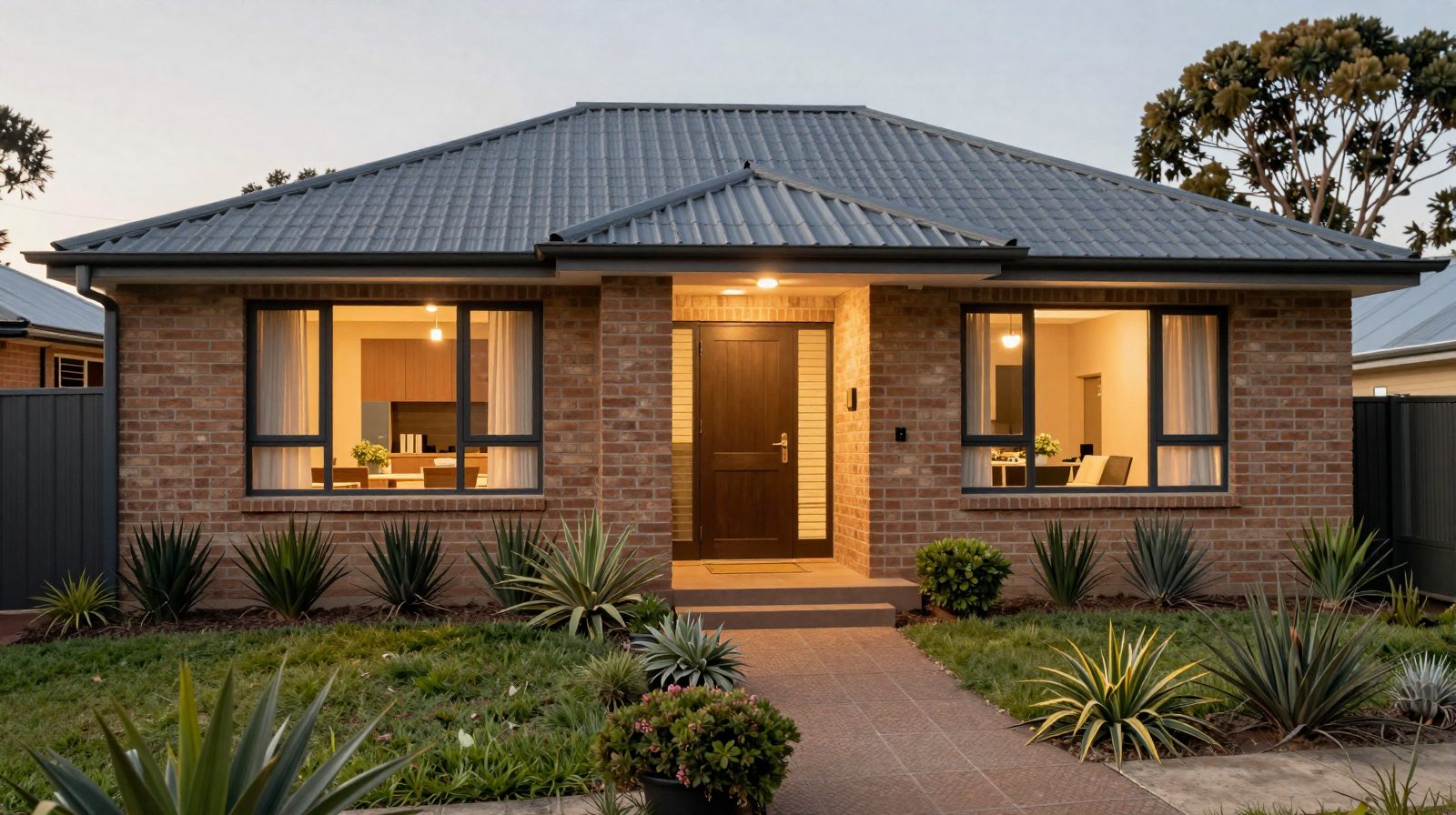
| Twilight | A dusk exterior, shot live or edited from a daytime photo | A striking lead image for homes with good lighting or a view |
| Video | A short edited walk-through or agent-to-camera clip | Social media and portal video slots |
| Virtual tour | A 360 or 3D tour link | Remote buyers and fewer wasted inspections |
| Copywriting | Some suppliers write the listing description | Saves the agent time |
Packages bundle these at a lower price than buying each separately, which is why many agencies negotiate standard packages with one supplier.
How many photos does a listing need?
It depends on the property. A one-bedroom apartment may need 10 to 12 good images; a four-bedroom family home with outdoor areas often 20 to 30; a prestige or acreage property more, plus drone and video. Portals allow many images, but more is not always better: a tight set of strong images, with every key room and the best features, beats dozens of near-duplicates. Our real estate photography tips include a shot list.
Who owns the photos
Under Australian copyright law, the photographer usually owns the copyright in photos they take unless the supply agreement says otherwise, and the agency or vendor receives a licence to use them. The licence often covers the sales campaign only. If the vendor wants to reuse the photos later, for example to lease the home, or a new agent wants to use them after the listing changes hands, check the licence first; reusing photos without the right licence is a common source of disputes.
Turnaround and booking
Most suppliers deliver edited photos within a day or two of the shoot, and floor plans and video can take longer. In busy spring selling seasons, booking a week or more ahead is common in capital cities. Ask about weather policies for exteriors and drone, cancellation fees, and whether re-shoots are included if the weather or the presentation is poor on the day.
Ways to keep costs down
- Use a package rather than separate add-ons.
- Prepare the home properly before the shoot, so nothing needs editing out or re-shooting.
- Skip extras the property does not need, such as drone for a small unit with no outlook.
- Choose edited twilight over a live twilight shoot when the budget is tight.
- Reuse floor plans if the property was measured recently and nothing has changed, subject to the licence.
Regional and travel costs
Outside capital cities, photographers often charge travel by distance or a regional fee, and fewer suppliers may offer 3D tours or drone. Some agencies in regional areas photograph their own listings, using a good camera and a 360 camera for tours, to keep costs and turnaround under control. Our how to make a virtual tour guide covers the do-it-yourself tour side.
Questions to ask a photographer
- What is included in each package, and how many edited images?
- What does the licence allow, and for how long?
- How quickly will I receive the images?
- What happens if the weather is poor on the day?
- Do you hold insurance, and do your drone pilots hold the right CASA credentials? Our RePL licence guide explains them.
- Can I see recent work for similar homes in my area?
Typical add-ons and what they are for
| Add-on | What it does | When it is worth it |
|---|---|---|
| Floor plan | Shows the layout and room sizes | Almost every sale |
| Twilight photos | Shows the home lit up at dusk | Homes with good outdoor lighting or views |
| Drone photos | Shows the land, the street and nearby features | Large blocks, acreage, waterfront, views |
| Virtual tour | Lets buyers walk through online | Interstate buyers, higher-value homes |
| Video | A short walk-through or social clip | Prestige homes and social advertising |
| Virtual staging | Adds furniture to empty rooms | Empty homes, labelled as staged |
Each add-on should earn its place. A drone photo of a suburban block on a flat street rarely adds much, while a floor plan almost always does.
What a cheap shoot usually leaves out
Very low prices usually mean fewer images, less editing, shorter time on site, or no floor plan. Some low-cost services shoot quickly with a wide lens and limited lighting, which can make rooms look larger but also distorted and dark. Before choosing on price, look at a full gallery the photographer has shot, not just their best few images, and check that the price includes everything you need for the listing.
Preparing for the shoot to get value
A shoot goes faster and looks better when the home is ready. Clean the windows, clear the benches, put away bins, cars and hoses, turn on all the lights, and open the blinds. Make beds neatly and put away personal photos. A photographer who spends less time moving things has more time to get the best angles, and the photos will need less editing.
Photography and the law
Photos used in a listing must not mislead buyers. Fixing light and colour is normal, but removing features such as power lines, cracks or a neighbouring building can mislead. If a photo has been digitally changed in a way that matters, say so. Our virtual staging guide covers the rules on edited images in more detail.
Comparing quotes fairly
Quotes from different photographers are often hard to compare because they bundle things differently. Write down what each one includes: the number of edited photos, the floor plan, any twilight or drone images, the tour, travel, turnaround and the licence terms. Then compare the price for the same set of items. A quote that looks cheaper may leave out the floor plan or charge travel separately, while a higher quote may include more images and a faster turnaround.
When to book
Book the photographer as soon as the listing is agreed, so the photos are ready for launch. Allow time for the home to be prepared, and pick a time of day when the light suits the home: morning for east-facing living areas, afternoon for west-facing ones. If you want twilight images, they need a separate visit at dusk unless the photographer can stay on. Leave a buffer in case the weather is poor on the day.
Photos that keep working after launch
Good photos are used again and again during a campaign: on the portals, in print, on social media, in emails and on signboards. Ask for images in sizes that suit each use, including portrait crops for social media, so you do not need extra edits later.
Reusing photos for a relisting
If a home does not sell and is relisted later, ask whether the original photos can be reused. Reuse can save money if the home and the season have not changed much, but tired photos of a listing that has been on the market for a while can make buyers think it is a problem property. A fresh lead image, even with the rest reused, often helps a relaunch.
Photography for off-the-plan and new builds
Off-the-plan apartments and new homes are often marketed with renders rather than photos, because the building is not finished. Renders should be clearly labelled as artist impressions, and once the building is complete, real photos should replace them. Display homes are usually photographed professionally because the images are used for a long time and across many sales.
Paying for photography
Photographers usually invoice the agency, which passes the cost to the vendor as part of the marketing budget, either upfront or at settlement. Ask when payment is due and what happens if the property is withdrawn from sale before it sells, because some agencies still charge marketing costs in that case.
Photos for commercial property
Commercial listings such as shops, offices and warehouses need a different approach: wide shots that show the floor area, the frontage and the parking, plus details such as loading docks, kitchens and amenities. Photographers often price commercial work separately, because the spaces are larger and access may need arranging with tenants.
Budgeting for a campaign
Photography is one line in a campaign budget that may also include portal listings, signboards, printing and social advertising. Agents usually present the marketing budget to the vendor at the listing appointment. As a vendor, ask what each item costs, which are essential for the property and price range, and what results the agent expects from each. Strong photos and a floor plan are usually the best value items, because every other form of advertising uses them.
Photography for rentals
Rental listings are often photographed with a smaller package: fewer images, a simple floor plan and sometimes a tour. The landlord usually pays, or the agency includes it in the letting fee. Because rental photos can be reused for several leasing cycles if the property does not change, check the licence covers reuse, and remember the NSW consent rules for photographing a tenant's belongings if the home is occupied.
Is professional photography worth it?
For most sales, yes: the photos are the first impression in search results, and a small difference in click-through and enquiry can be worth far more than the cost. Phone photos can work for some rentals and low-value listings, but they usually show in the results as darker, smaller-looking rooms. If you take photos yourself, our real estate photography tips cover the basics that make the biggest difference.
Common questions
How much does real estate photography cost in Australia?
Published prices we read range from about $150 to $300 for a basic set of photos up to more than $1,000 for packages with video, with floor plans, drone and 3D tours as extras.
Do estate agents charge for photographs?
Usually the vendor pays for listing photos as part of the marketing budget, though some agencies include them.
Who owns photos taken for an estate agent?
Usually the photographer keeps copyright and licenses the images to the agent for the campaign. The supply agreement decides it, so check it before reusing photos later.
How much does a virtual tour cost?
As a photographer's add-on, a 3D tour or 3D plan is priced on top of a photo package; check your supplier's list.